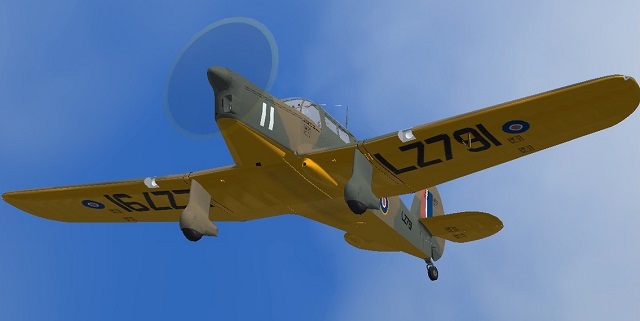
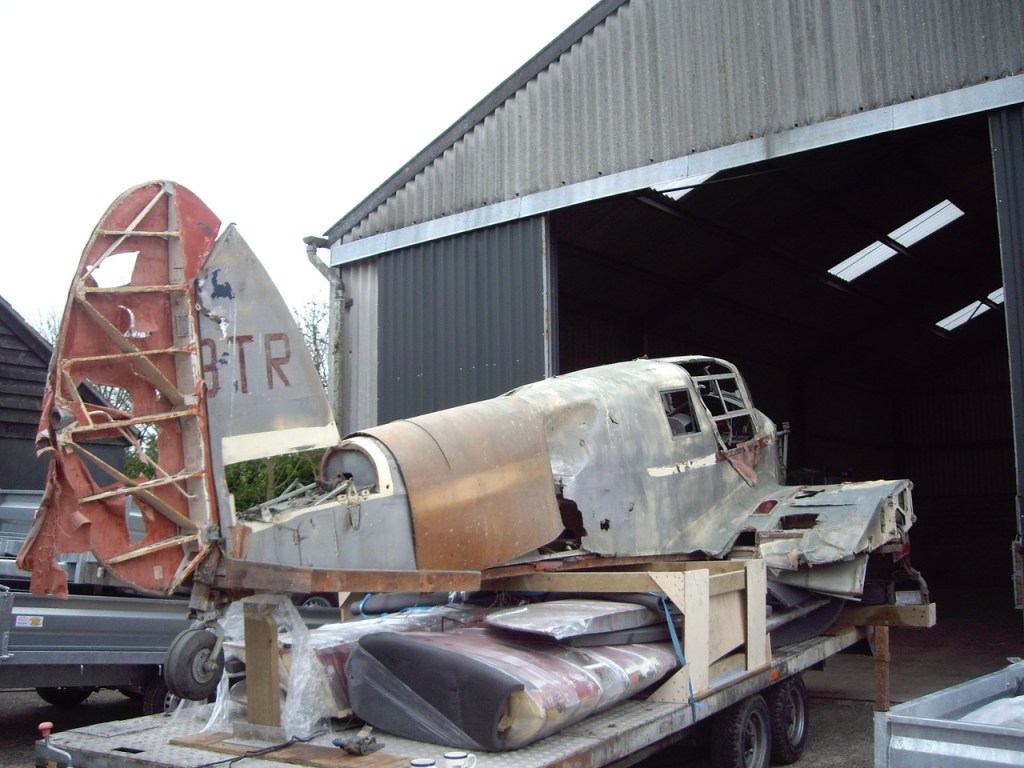
In June 2004, Mike imported his Proctor from Sweden as a project. It has been undergoing restoration at Great Oakley Airfield ever since. When you look at early photographs of it as it was recovered, you will see that it required an immense amount of work. It’s now at an exciting stage back in its its wartime colours with markings being applied.
In the gallery below, click on an image to see a larger version.
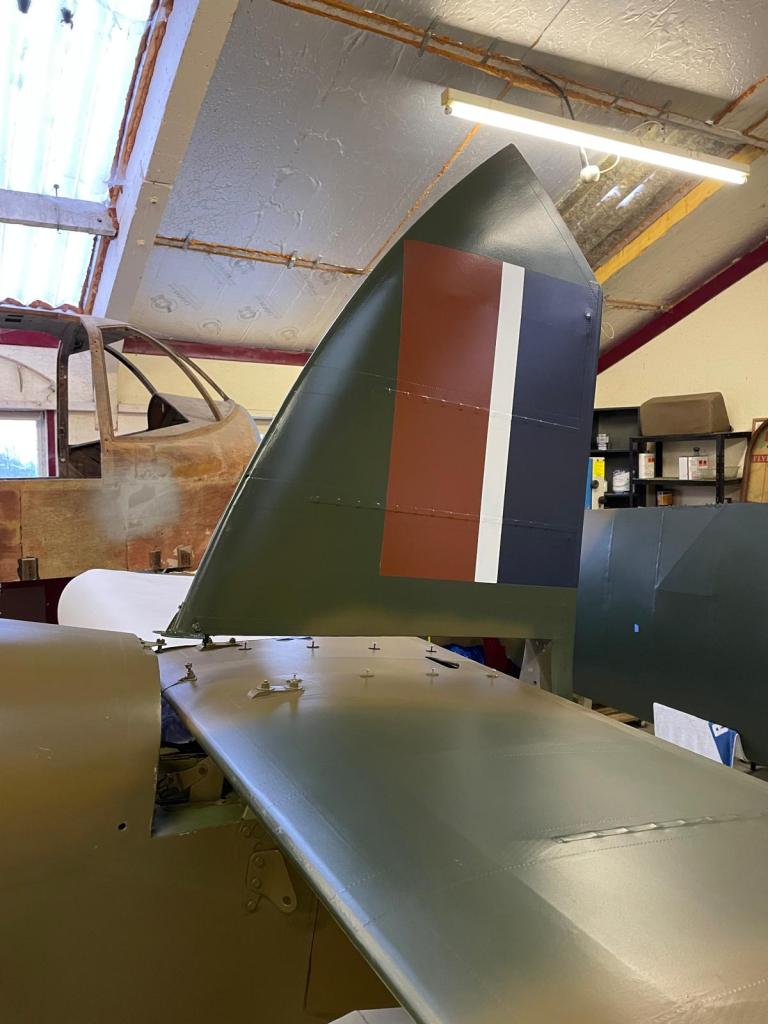
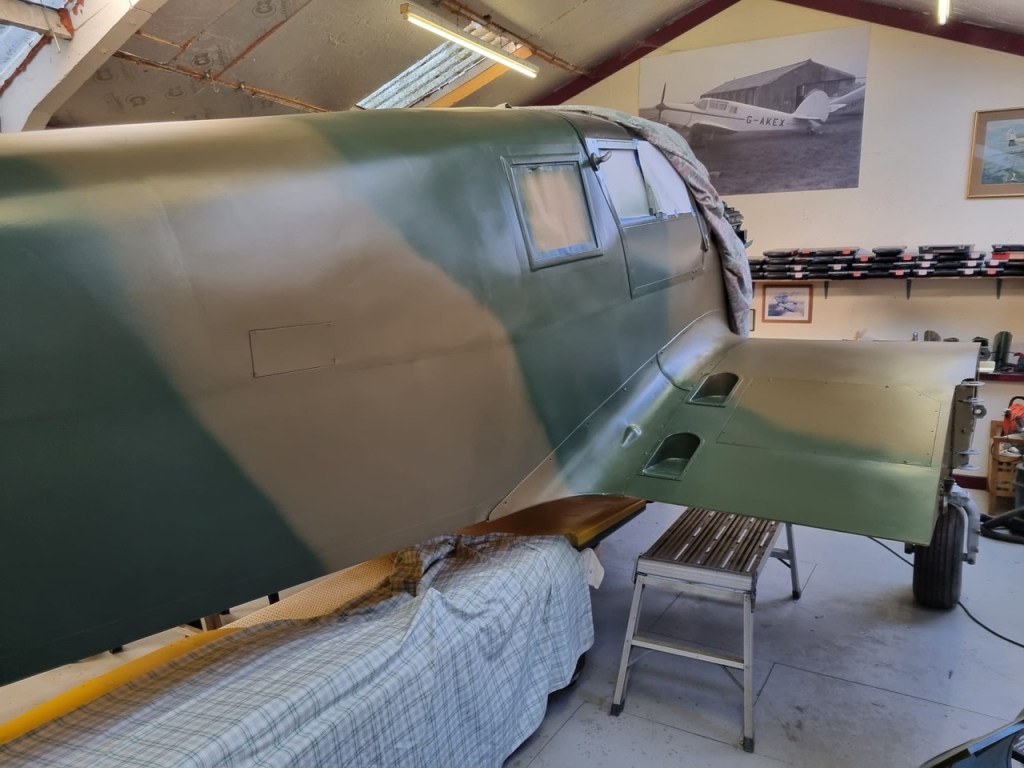
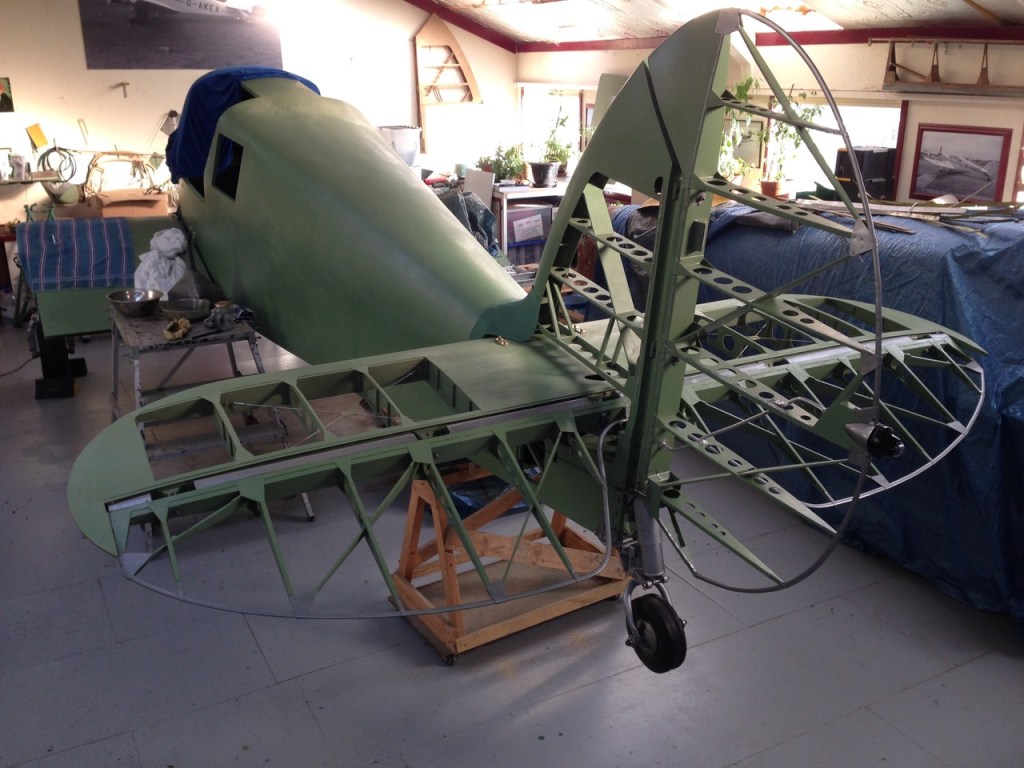
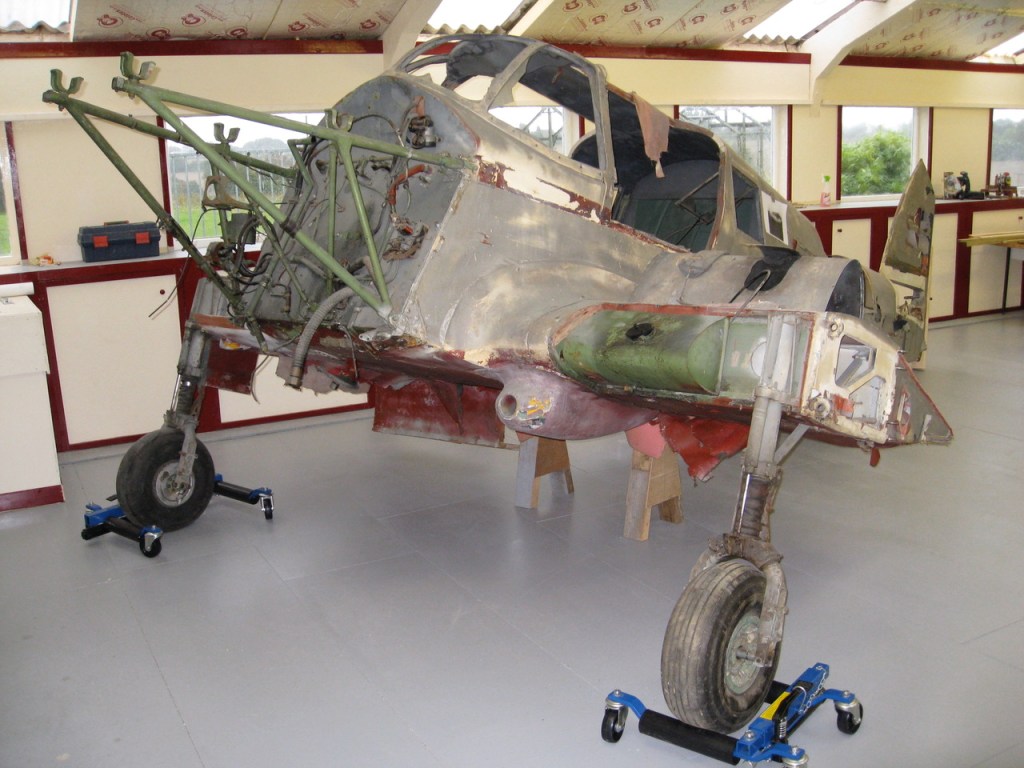
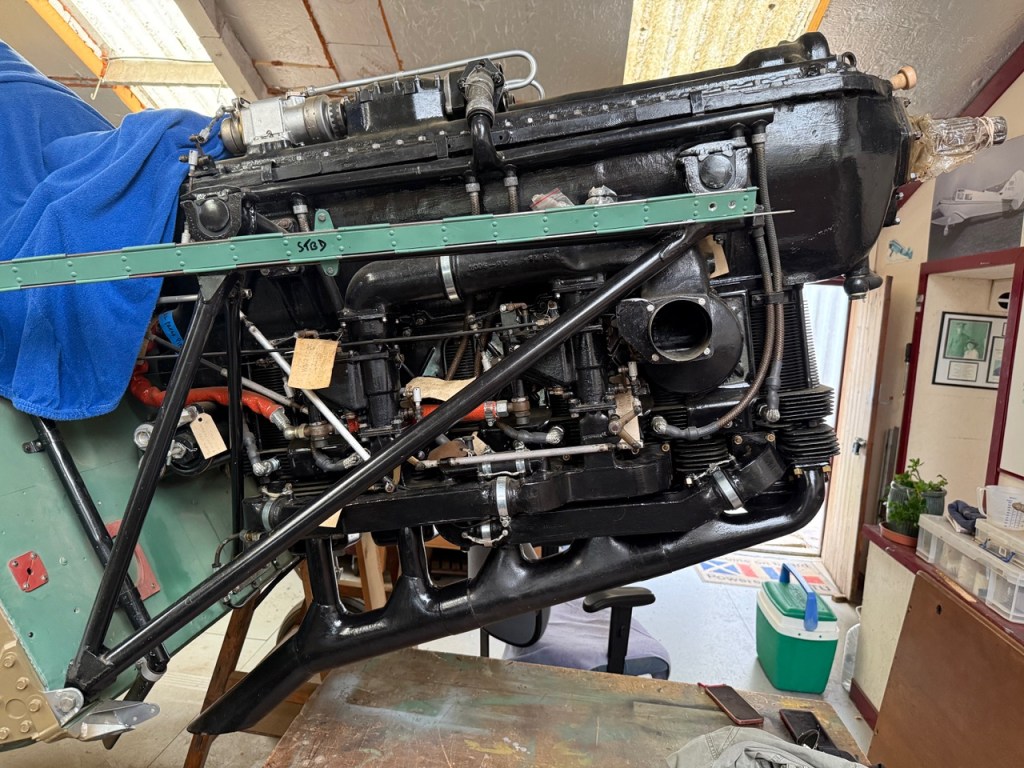
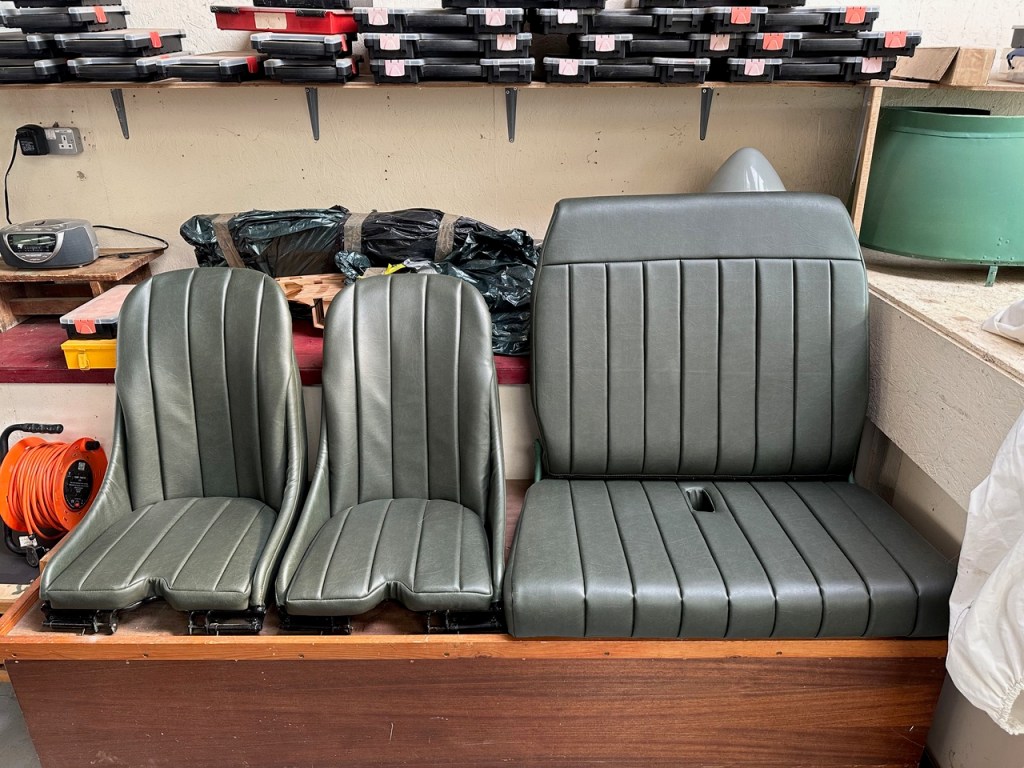
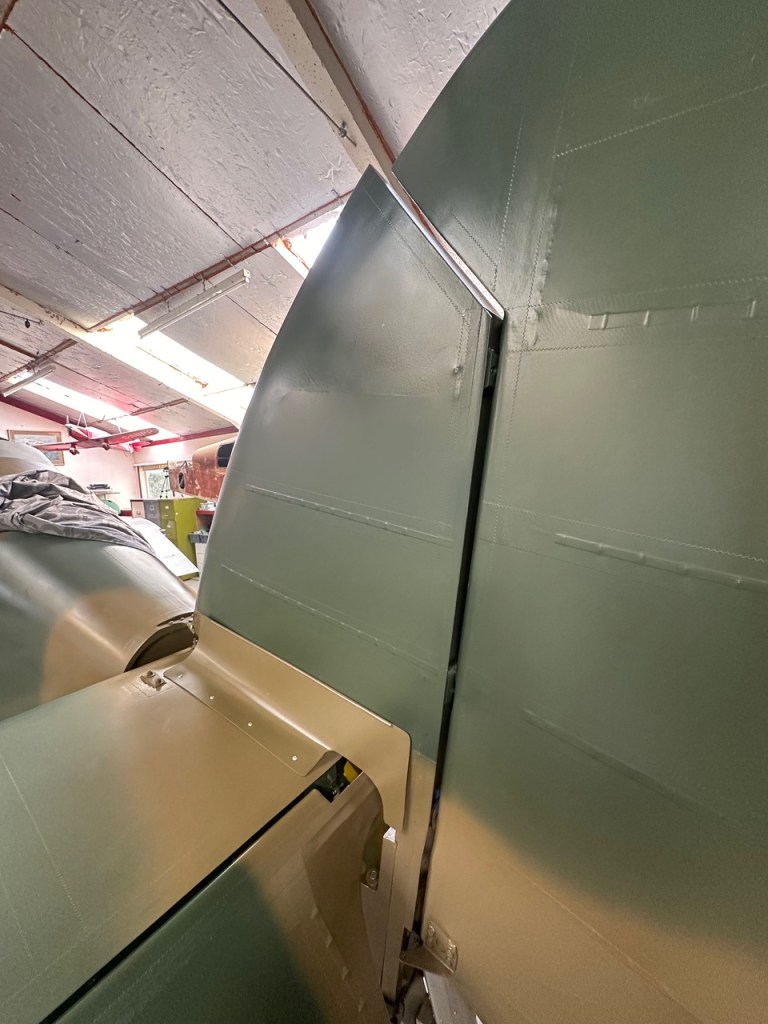
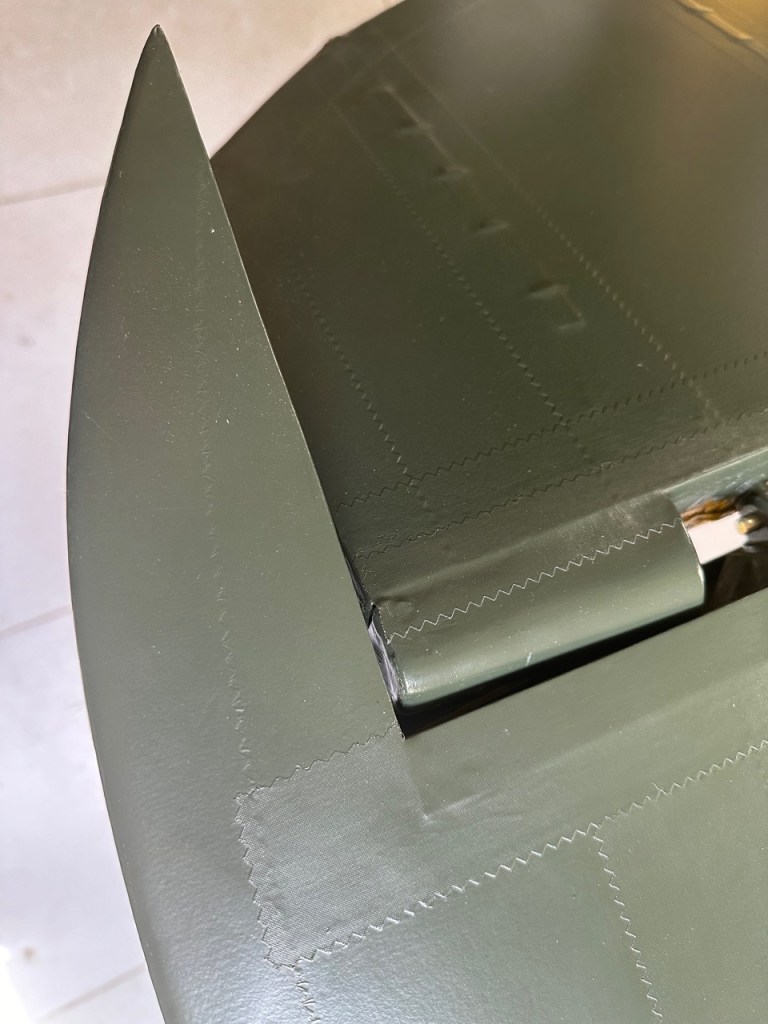
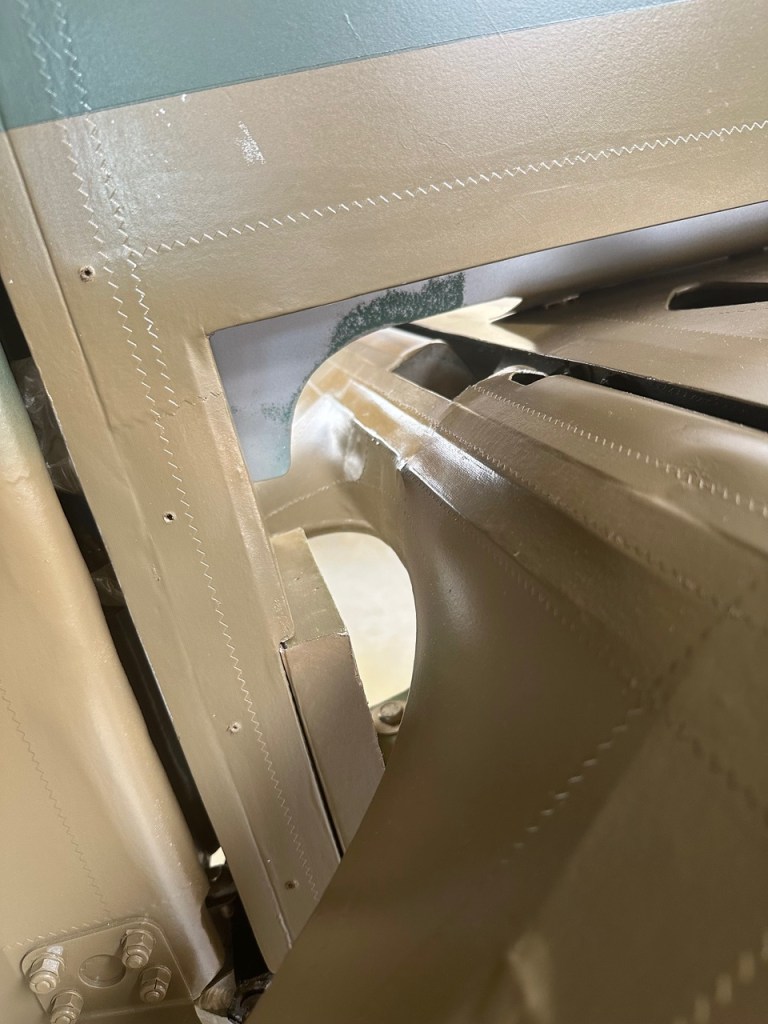
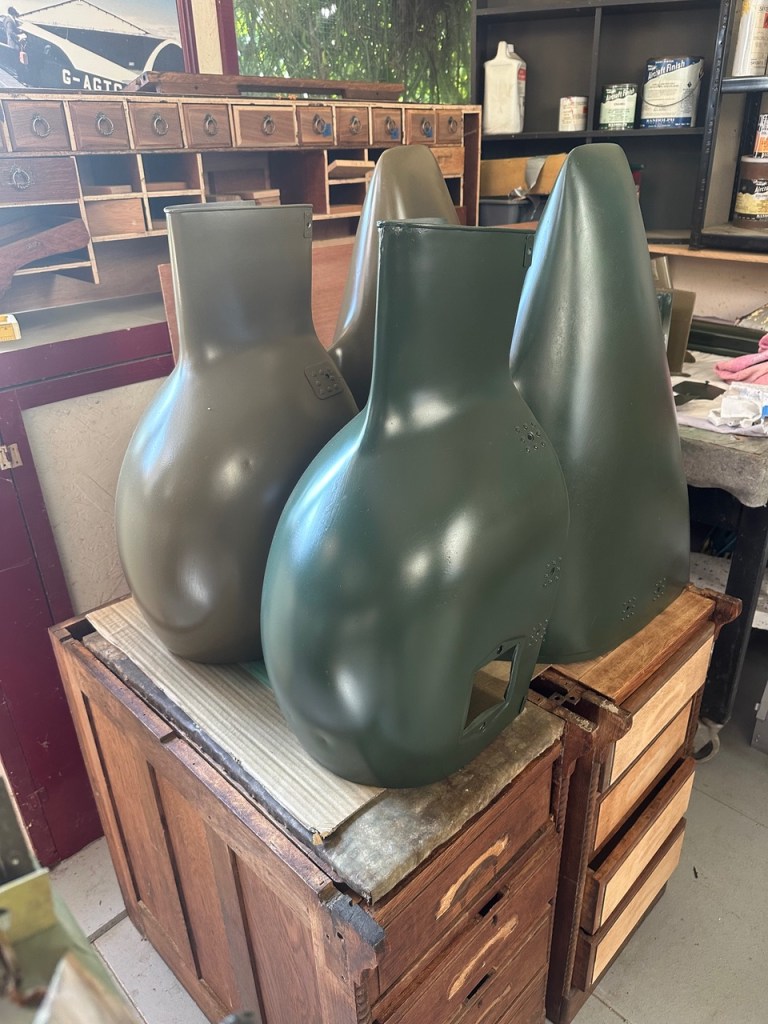
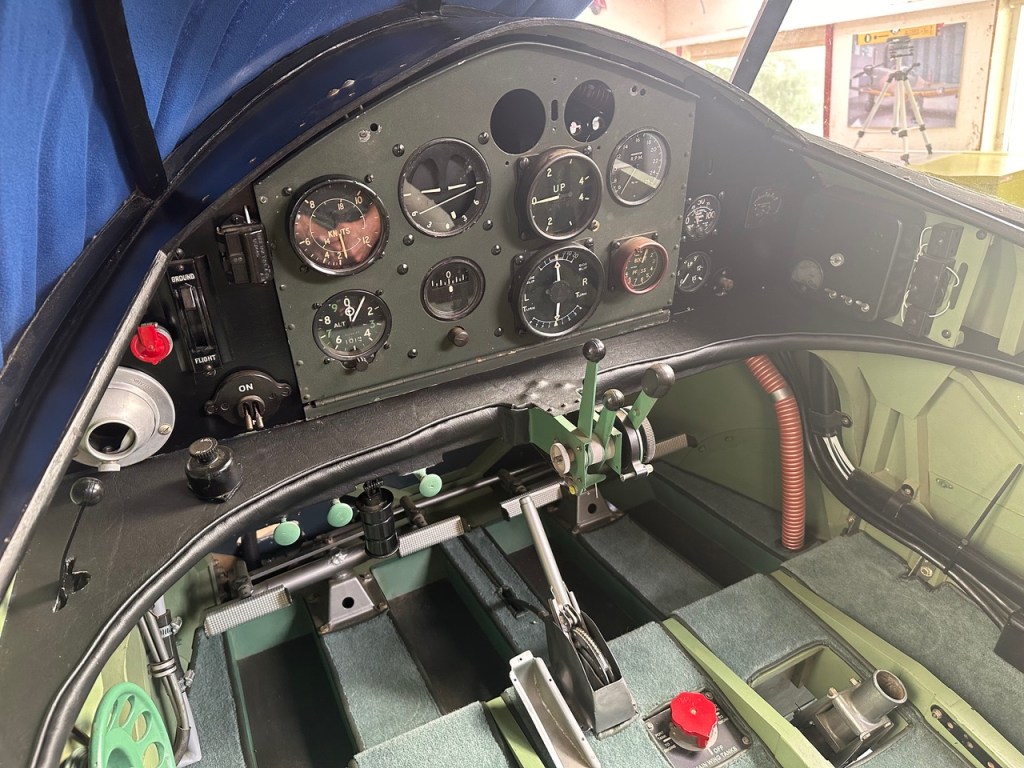
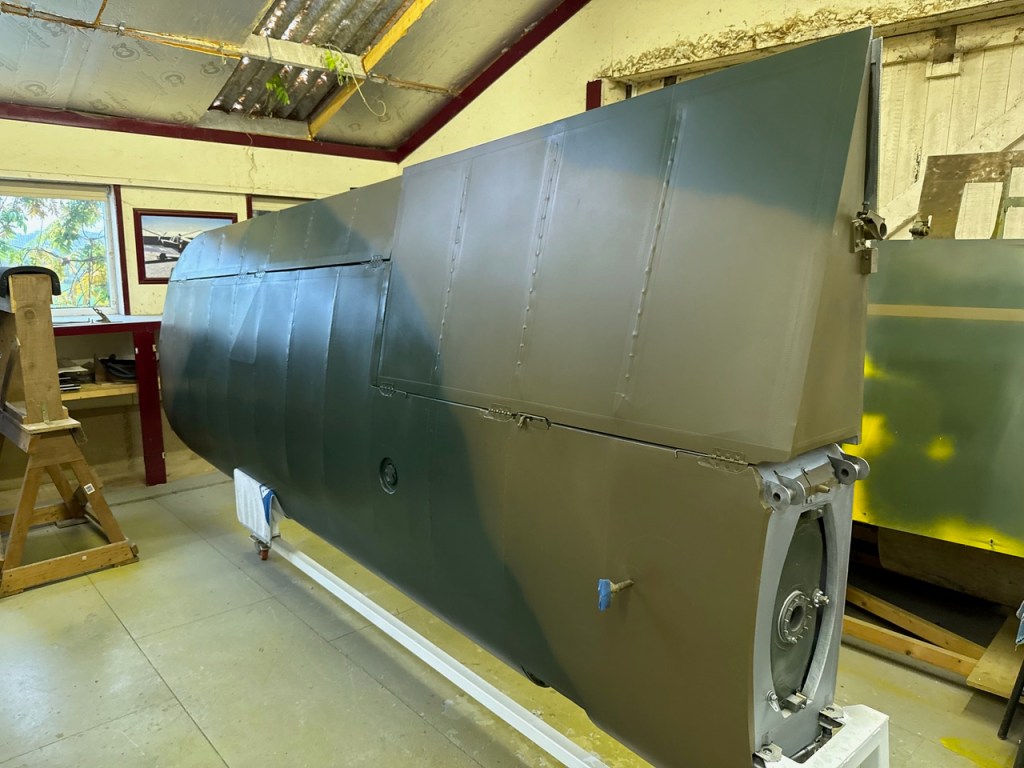
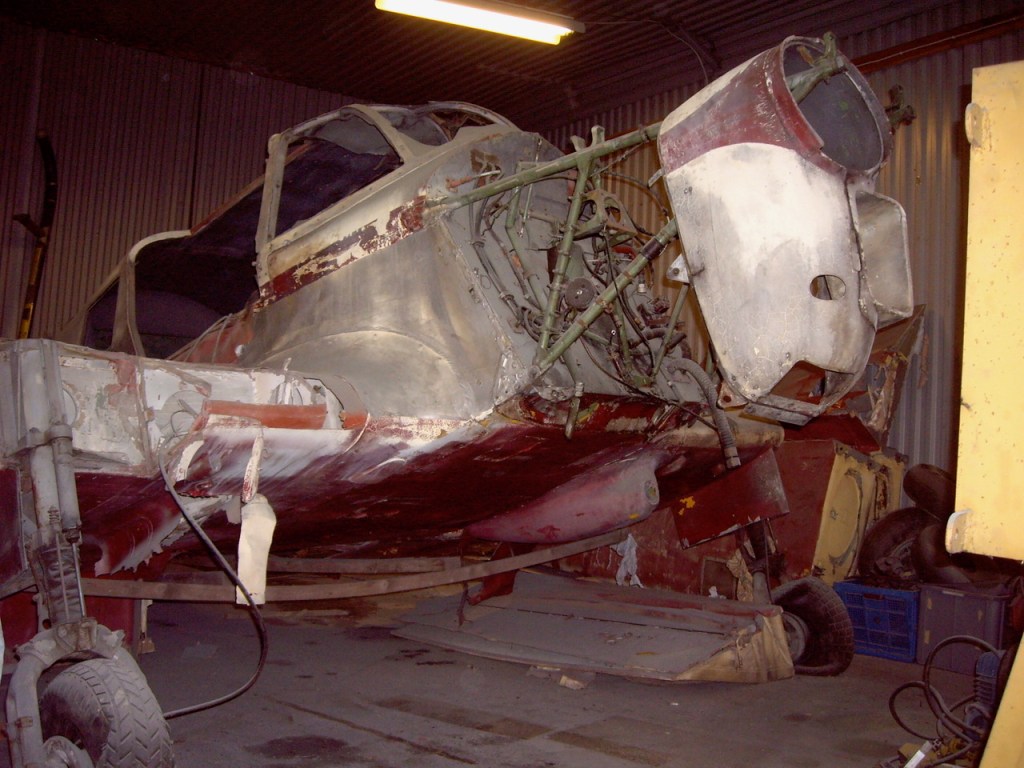

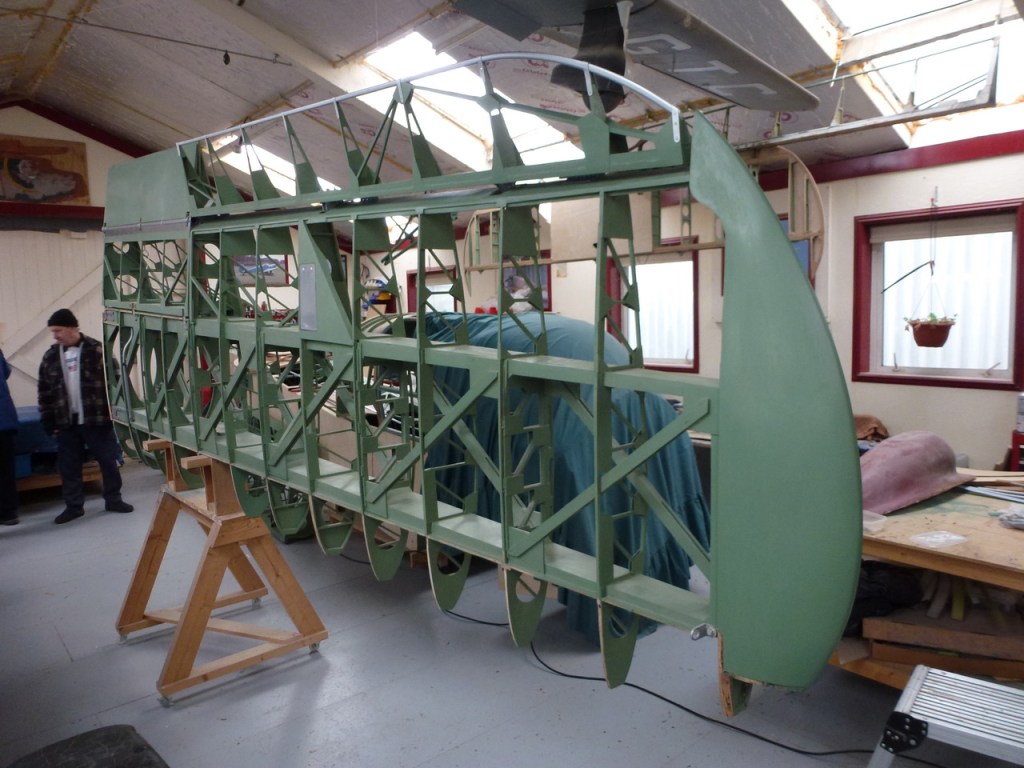
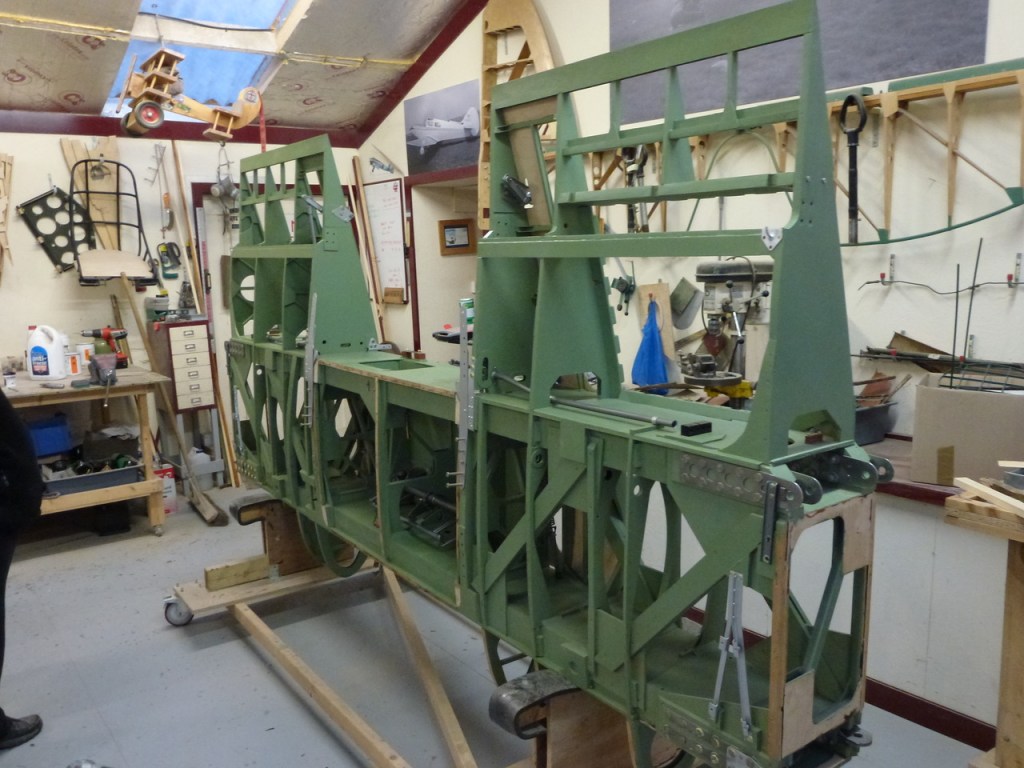
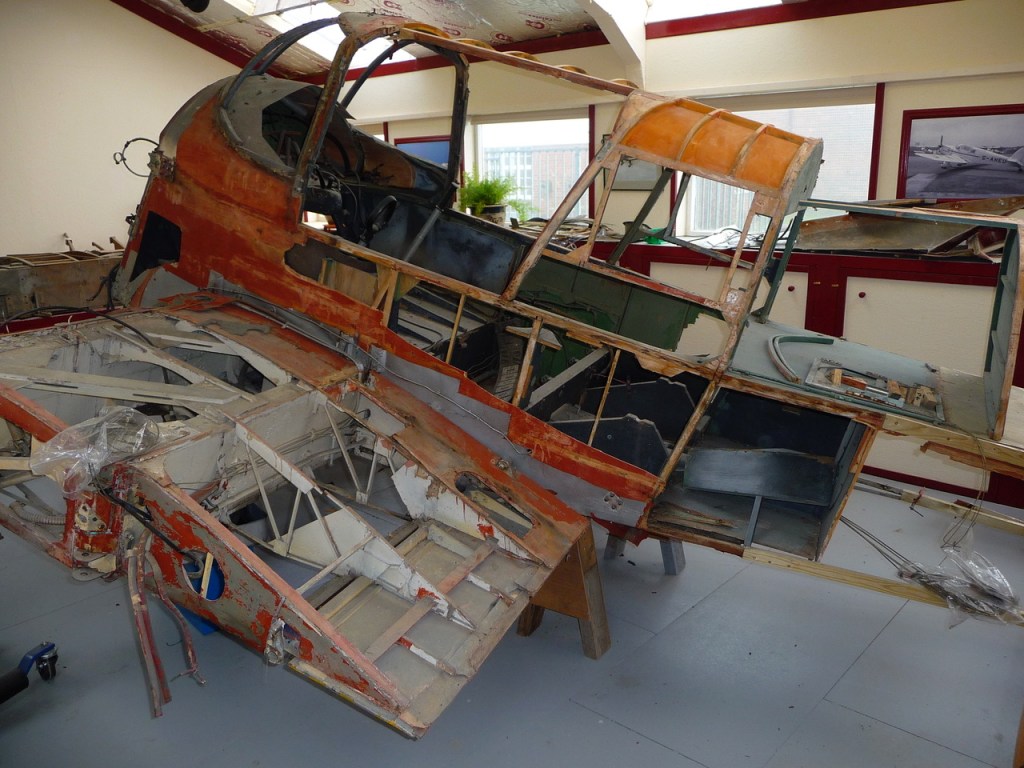
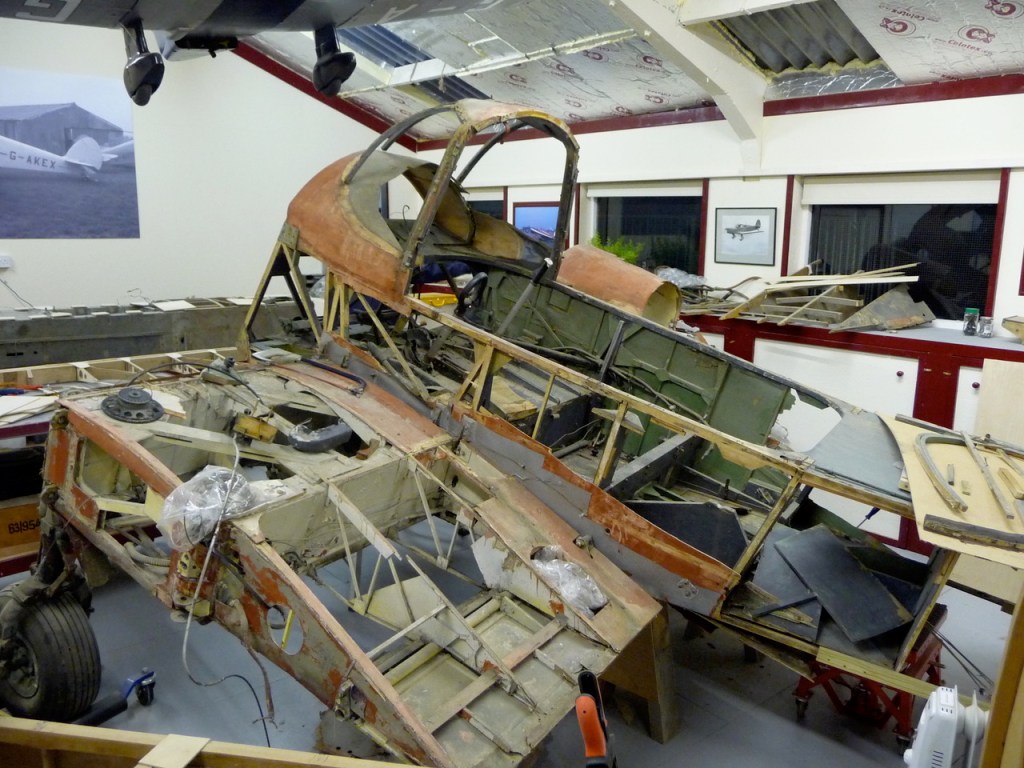
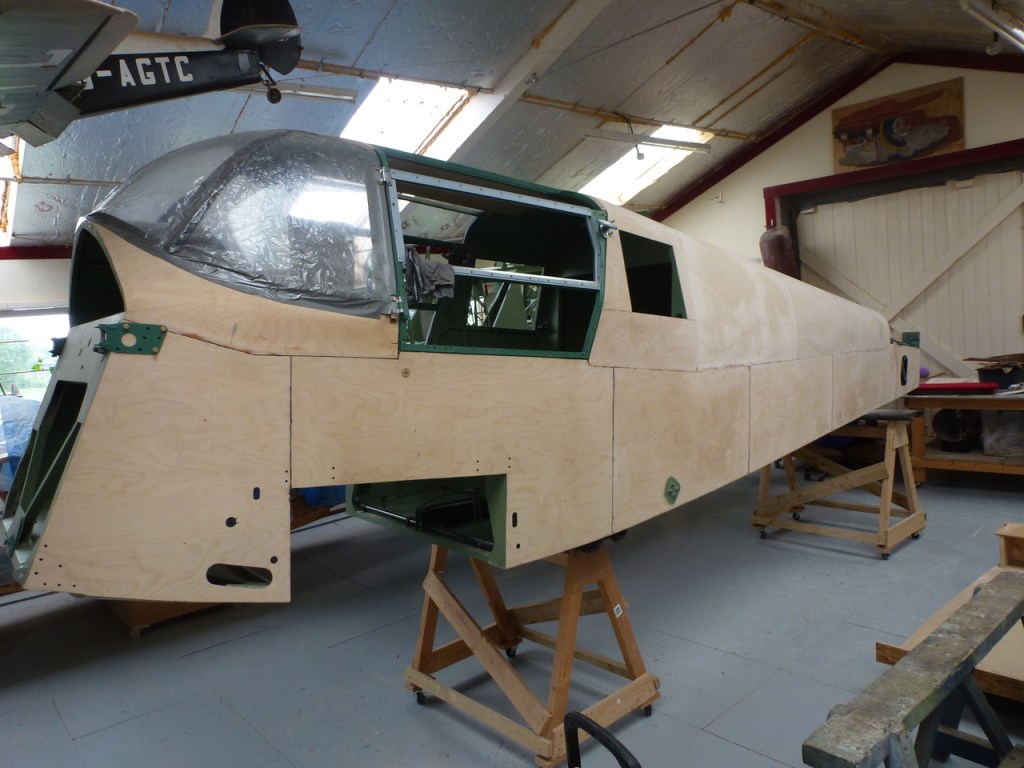
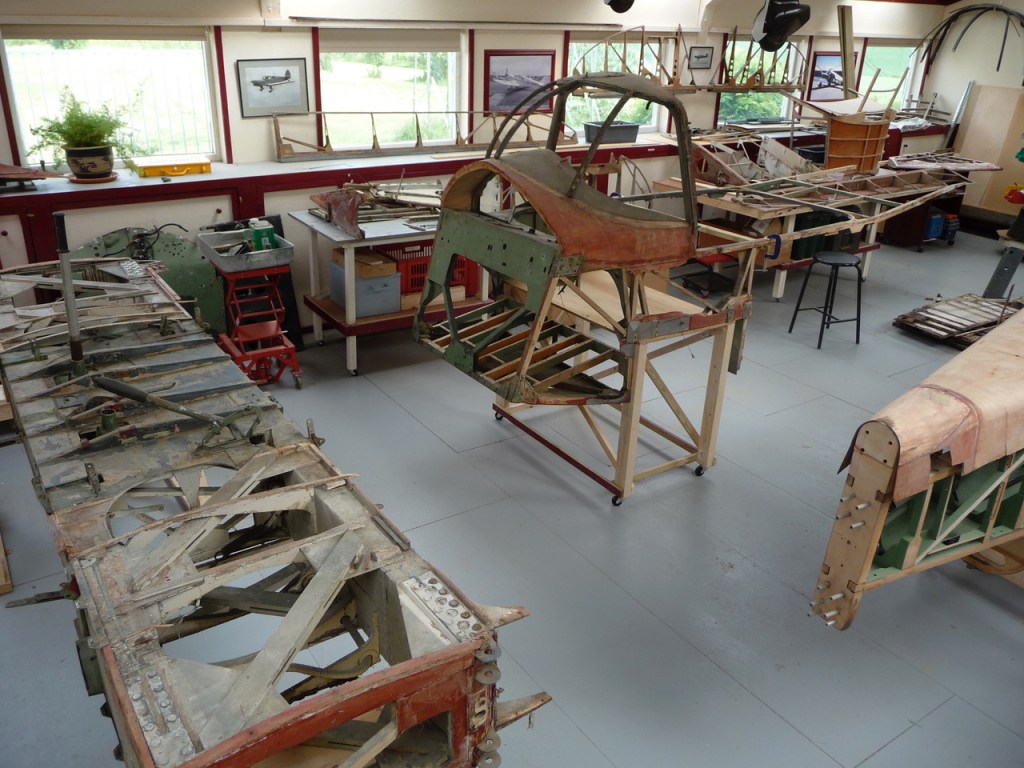

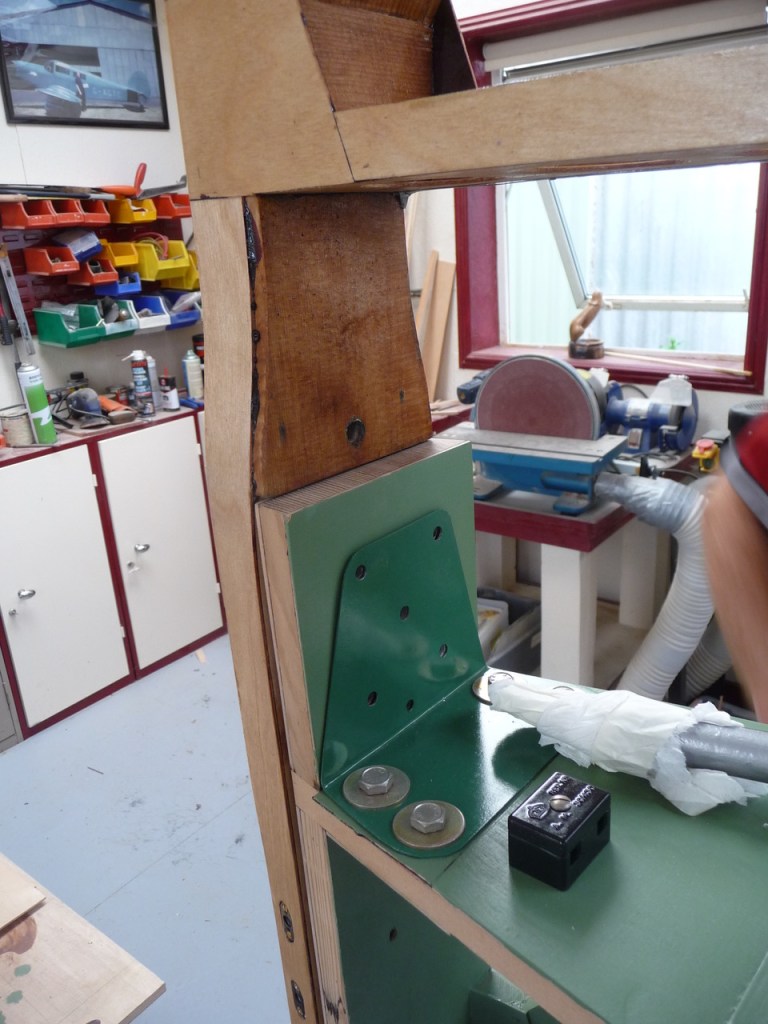
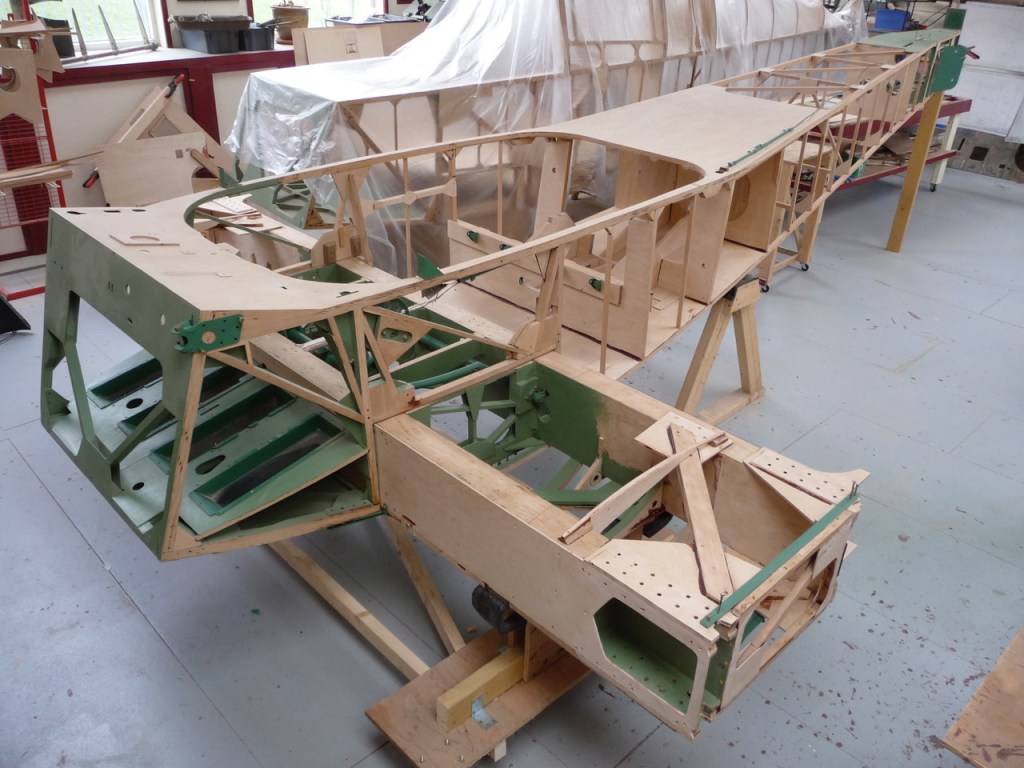
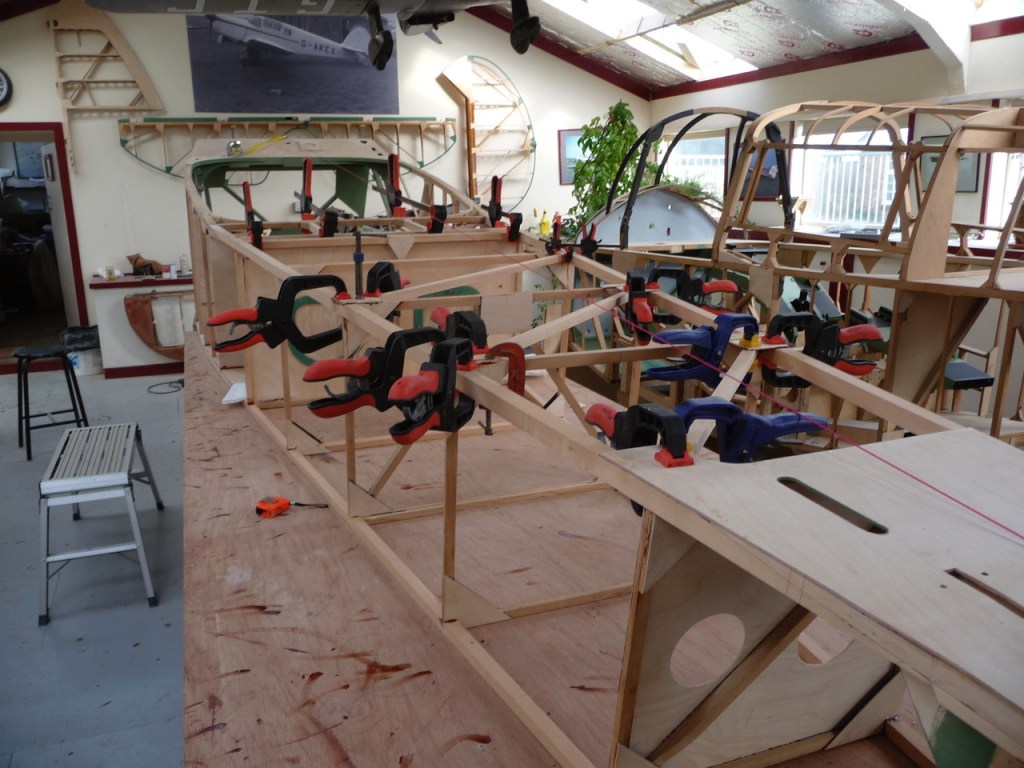
State of work January 2026: The paintwork is coming along well. Mike has been particularly keen to use authentic period colours.
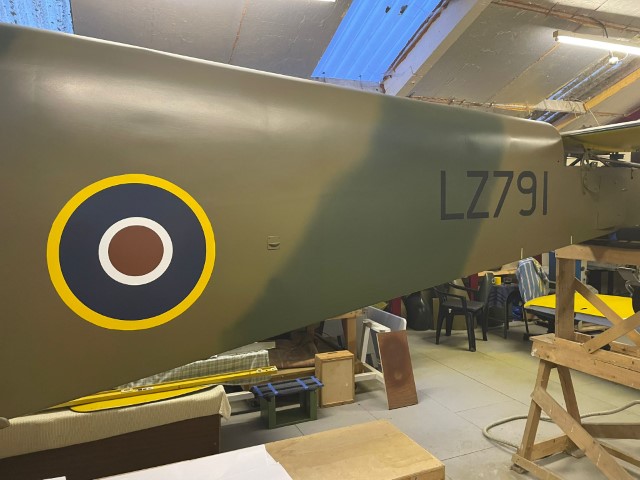
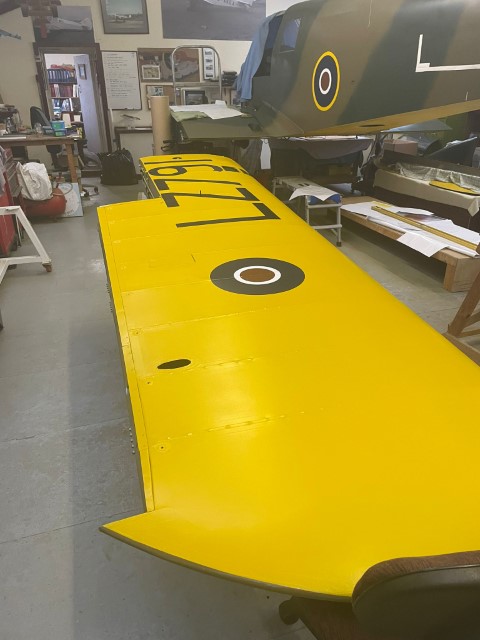
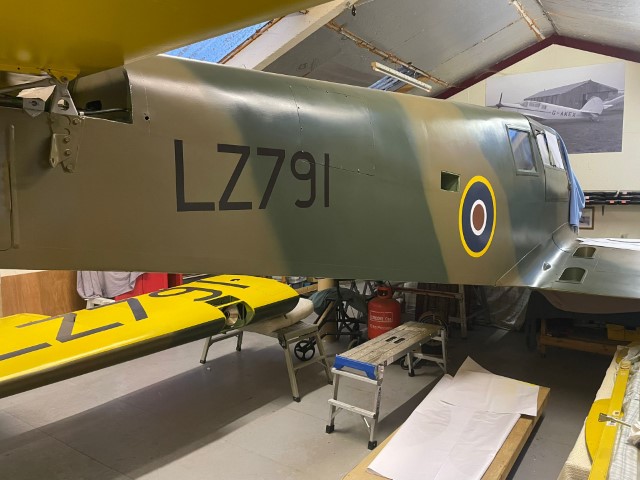
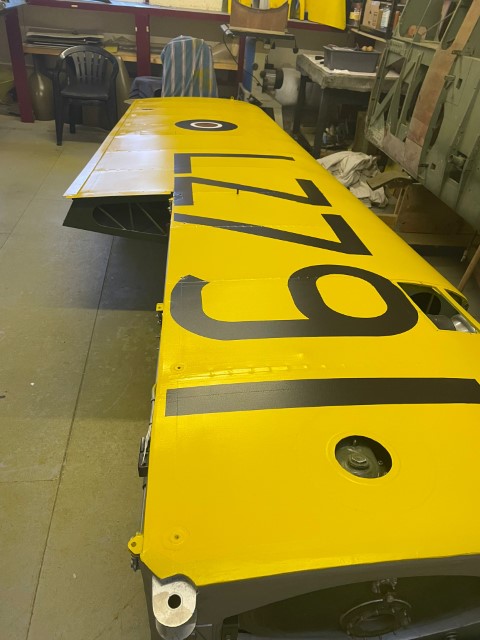
A history of Proctor III LZ791
Built as LZ791 (c/n H.549) by F Hills and Sons, Trafford Park, Manchester, and it was initially assigned to Percival Aircraft on 6 November 1943. Within a few days it was reassigned to the Air Transport Auxiliary (ATA) at Thame (Haddenham) and White Waltham Berkshire. Thame was the home of 5 (Training) Ferry Pool (shortened from Ferry Pilots Pool in May 1942, but the abbreviation FPP continued to be used) which included ATA’s Initial Flying Training School (IFTS) which was used to train ferry pilots. The ATA was a civilian organization which ferried aircraft using pilots, both men and women, who were too old or otherwise not suitable to join the RAF. Initially it used pilots who had qualified pre-war, but, once the supply of these was exhausted, they started to train their own. The IFTS consisted of A Flight equipped with Magisters which was detached to the Relief Landing Ground at Barton-in-the-Clay (now Barton-le-Clay) in Bedfordshire, B Flight with Proctors and C Flight with Magisters. D Flight was added in 1944 which flew the Harvard.
LZ791 carried the Pool number 11 while at Thame and White Waltham and many of the IFTS aircraft bore an emblem of a Stork carrying a baby in a sling on their engine cowling.
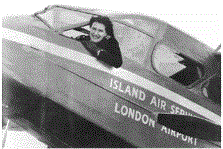
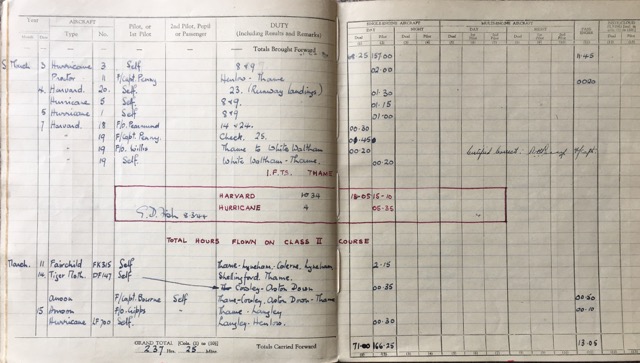
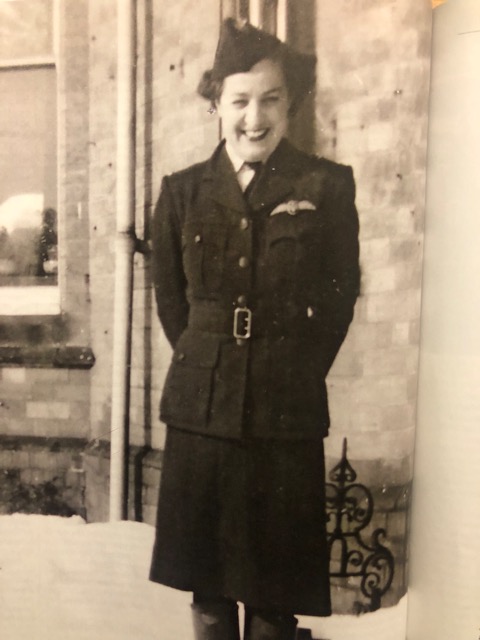
At about 16.30 on 21 November 1944 LZ791 was inbound from White Waltham to Broxbourne Aerodrome, Nazeing, Essex, and was landed on the shortest runway. Presumably this was the in-to-wind runway as indicated by the landing T. Unfortunately, it failed to stop before the end, hitting some sandbags protecting a camouflaged gun position. The aircraft tipped onto its nose, then fell back allowing the pilot to emerge unscathed. The pilot was 3rd Officer Monique Agazarian (recorded as “Agazatian” on the Accident Card) who later ran Croydon-based Island Air Services which, amongst other activities, provided a joy-riding service from London Airport (Heathrow) in the early post-war years. Earlier that day she had flown a Spitfire from Little Rissington to Westhampnett (now Goodwood). The accident was blamed on wet grass which had made the braking ineffective and the aircraft was declared Cat B (repairable at MU or contractors).
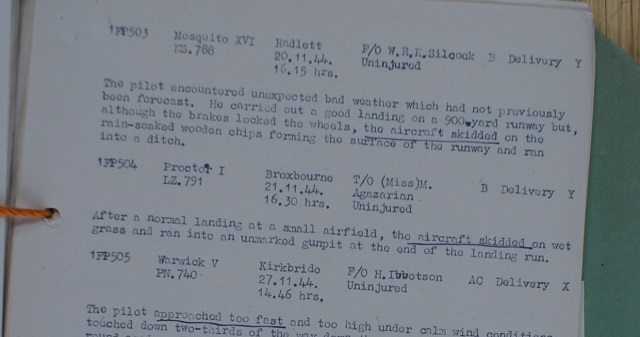
The Card also recorded its unit at the time as “1 FPP” – 1 Ferry Pool was based at the ATA Headquarters at White Waltham. Fortunately Broxbourne was the home of Herts & Essex Aviation which, during the war, was part of the Civilian Repair Organisation (CRO) and which specialised in repairing Proctors and similar light aircraft. It was handed over to them for repair and was reported as ready for collection on 9 March 1945. Coincidentally Monique had flown the Proctor with Pool no. 11 while undergoing training at Thame in March 1944.
On 22 March 1945 it was assigned to the Central Fighter Establishment (CFE) which had its headquarters at RAF Tangmere. The various units within CFE operated from a number of airfields and, therefore, it had a Communications Flight with an establishment of two Ansons and four Proctors. The CFE moved its HQ to RAF West Raynham on 1 October and LZ791 was recorded there on 21 March 1946 in the Home Aircraft Census carried out that month. During its time with the CFE it appears to have acquired an overall dark blue colour scheme rather than the standard camouflage colours, and with its serial numbers in silver, so was probably the personal aircraft of a senior officer within the unit. On 30 May 1947 LZ791 was assigned to 39 MU (Maintenance Unit) at RAF Colerne for disposal. It was struck off charge (SOC) on 27 August 1947 as sold to “Southern Aircraft Croydon”.
Southern Aircraft (Gatwick) Ltd, with John Coxon as Managing Director, had been at Gatwick since1938. During the war they had also been part of the CRO, carrying out repair, modification and overhaul of a variety of aircraft types from light aircraft up to twins such as Blenheim and Beaufighter.
They registered LZ791 as G-AKEX on 26 August and, presumably, arrived at Gatwick about this time. Nearly two years later Southern Aircraft notified the registration authorities that they had sold it on 6 June 1949 and it was registered to Henry C V Hext of Brixton on 9 November who owned a number of aircraft over the years including Dragon Rapide G-AKND and Stinson Sentinel G-AKYF – indeed the Sentinel seems to have been traded in for the Proctor as it was subsequently registered to Southern Aircraft. However, the Proctor did not aspire to a Certificate of Airworthiness (C of A) until 17 February 1950 when it was issued after a survey at Croydon. It wore an attractive colour scheme where the fuselage, fin and rudder were cream, while the wings and tailplanes were silver. The registration was painted in burgundy full span above and below the wings and on the rear fuselage as was the cheat line down the fuselage. The wheel spats were also painted burgundy. In December 1950 it was sold to Willis Hole Aviation Ltd of Croydon Airport, being registered to them on 20th of that month. Only seven days later it was cancelled as sold abroad to Sweden.
During its delivery flight to its new home in early January 1951, while still marked G-AKEX, it ground looped at Eslöv in southern Sweden. In October it emerged after repairs with its new registration SE-BTR and a new C of A – it was now owned by Lars Ore Göransson of Malmö. The fuselage was silver and the under-surfaces of the wings were red, while the registration was in black across the fin and rudder. In 1952 it changed owners on 24 March to A Holmkvist and on 3 December to G Esbjörnsson of Kågeröd.
On 27 June 1953 it was registered to F:a Lindqvistflyg of Skälderviken and was operated with LindqvistFlyg titles on the rear fuselage. When its C of A expired in 1956 it was not renewed as the Swedish authorities had concerns over the casein glue used in its construction. However, two years later on 31 March 1958 it was sold to H Andersson of Sorunda who placed it in his barn. Andersson was an eccentric farmer who had a passion for all types of machinery – mostly old cars, motorbikes and agricultural machinery – which he kept in a secure barn. Its Swedish registration was eventually cancelled on 17 February 1961. After his death in 2003 the collection was discovered and sold. The dilapidated but largely complete Proctor went to a new owner in Sweden, but in June 2004 it was sold to Mike Biddulph and it was brought back to the UK.
Once back in the UK it was placed in temporary storage in Suffolk and was returned to the British register as G-AKEX on 10 January 2006.In October that year it was moved into the workshop converted from a cowshed at Great Oakley Airfield in Essex and work commenced on a complete rebuild.
G-AKEX was also reunited with the late Leslie Miller who, as a 14-year-old working for Herts & Essex Aviation, watched it crash at Broxbourne in 1944 and helped with the repairs.
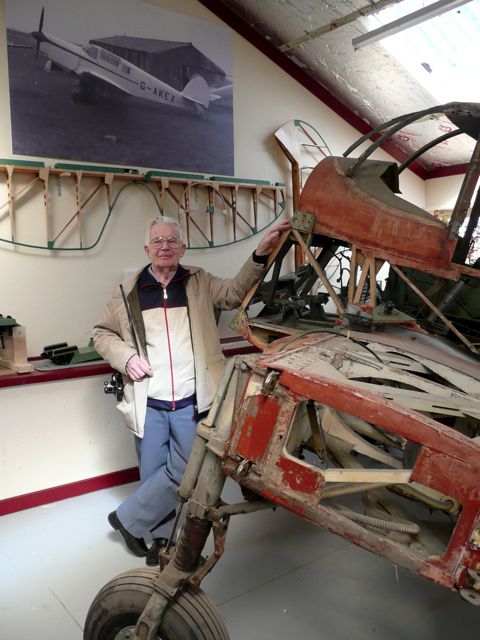
Leslie Miller wrote an article describing his career, from age 14 years, as an aircraft builder, together with his involvement with this Proctor, “Her”. It can be downloaded as a PDF:
 Light Aircraft Association Southern Strut